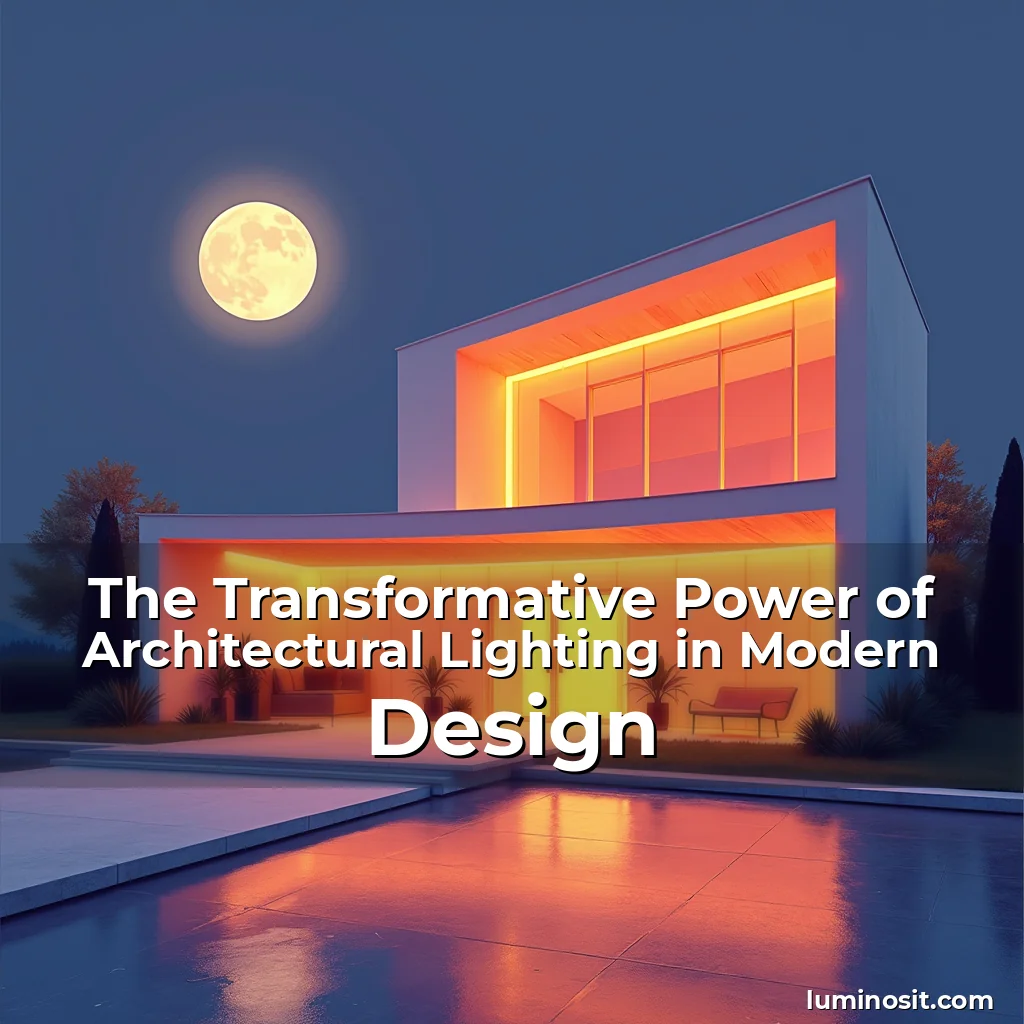
The Transformative Power of Architectural Lighting in Modern Design
Architectural lighting transcends mere illumination; it is an art form that shapes spaces, evokes emotions, and defines identities. From the grand chandeliers of historical landmarks to the subtle LED strips in contemporary homes, light has always played a pivotal role in architecture.
In today’s design landscape, architects and designers are redefining how we interact with space through innovative lighting solutions. These strategies not only enhance aesthetics but also contribute significantly to functionality and sustainability.
Understanding the Core Principles of Architectural Lighting
At its core, architectural lighting involves integrating artificial and natural light sources to create functional, safe, and visually appealing environments. This integration requires careful consideration of several key principles that guide every project from concept to completion.
A primary principle is the balance between ambient, task, and accent lighting. Ambient lighting provides general illumination, while task lighting focuses on areas where activities occur, such as kitchens or workspaces. Accent lighting highlights specific features, adding depth and dimension to any room.
- Ambient lighting: Creates even illumination across a space without creating harsh shadows or glare.
- Task lighting: Offers focused brightness for specific tasks, ensuring comfort and reducing eye strain.
- Accent lighting: Highlights artwork, furniture, or structural elements, drawing attention to their beauty and significance.
Color temperature plays another crucial role in architectural lighting. Measured in Kelvin, different temperatures affect mood and perception. Warmer tones around 2700K to 3000K evoke coziness and intimacy, making them ideal for living rooms and bedrooms. Cooler hues above 4000K promote alertness and clarity, suitable for offices and study areas.
Lighting efficiency is equally vital. With energy costs rising globally, using efficient fixtures reduces environmental impact and long-term expenses. LED technology leads this charge by offering longer lifespans, lower energy consumption, and greater versatility compared to traditional incandescent bulbs.
Careful placement of lights ensures they complement rather than overpower the surrounding environment. Strategic positioning minimizes glare and maximizes utility, allowing each beam of light to serve its purpose effectively.
The Role of Natural Light in Architectural Lighting
Natural daylight is arguably the most powerful tool available to architects seeking harmony between indoor and outdoor environments. Its dynamic quality changes throughout the day, influencing both visual appeal and human well-being.
Leveraging natural light can reduce reliance on electric lighting during daytime hours, leading to significant energy savings over time. This approach aligns perfectly with current trends toward sustainable building practices that prioritize ecological responsibility alongside aesthetic excellence.
Designers often incorporate skylights, clerestory windows, and expansive glass facades to invite sunlight into interior spaces seamlessly. Such techniques maintain transparency between interiors and exteriors while enhancing overall ambiance.
Studies show exposure to ample natural light improves productivity levels among occupants—particularly beneficial within educational institutions or corporate settings requiring high concentration rates from users.
Beyond practical benefits, harnessing daylight contributes positively towards psychological health too; increased vitamin D synthesis linked with regular sun exposure combats seasonal depression symptoms common during darker months.
To maximize these advantages without causing discomfort due to excessive brightness or glare issues, smart shading systems like blinds, louvers, or automated window treatments help regulate incoming solar radiation effectively.
Innovations Shaping the Future of Architectural Lighting
Technological advancements continue pushing boundaries in what’s possible regarding architectural illumination methods. Smart home automation now allows precise control over various aspects related to lighting setups via mobile apps or voice assistants.
Sensors embedded within modern LED panels detect occupancy patterns automatically adjusting brightness accordingly—an essential feature promoting energy conservation efforts without sacrificing user experience quality standards.
Integration with Internet-of-things platforms enables remote monitoring capabilities letting homeowners adjust color schemes remotely based upon personal preferences or occasion requirements easily.
Emerging materials science innovations offer new possibilities too; self-luminous surfaces made from photoluminescent compounds absorb ambient light when exposed then emit stored glow once darkness sets in providing passive night-time visibility options.
Digital projection mapping technologies open exciting avenues for transforming static structures into interactive canvases capable displaying real-time visuals tailored specifically according to event themes or brand messaging needs dynamically.
These evolving tools empower professionals designing future projects with unprecedented flexibility enabling creation of truly immersive experiences blending function with artistic expression effortlessly.
Designing Effective Lighting Schemes for Different Spaces
Varying spatial characteristics demand distinct approaches when developing effective lighting plans. Residential environments typically require warm, inviting atmospheres conducive to relaxation versus commercial venues needing brighter conditions supporting higher activity levels efficiently.
Kitchens benefit greatly from layered lighting combining overhead fixtures with under-cabinet units along countertops plus pendant lamps hanging above islands. This configuration offers sufficient brightness required for meal preparation tasks yet maintains pleasant aesthetics simultaneously.
Living areas might favor recessed ceiling mounted cans supplemented by table lamps positioned strategically so guests feel welcomed without feeling overwhelmed visually by overly bright conditions.
Office spaces necessitate uniform distribution throughout workspace zones paired with adjustable desk lamps allowing individuals customize their own working conditions optimally.
Retail stores use dramatic spotlight arrangements directing customer attention toward featured products showcasing them attractively against appropriately chosen backdrops carefully selected ahead of time.
Hospitality industries employ softer transitions between public access points & private quarters utilizing dimmable switches giving staff ability manage moods experienced by patrons effectively depending upon situation at hand.
Materials Used in Contemporary Architectural Lighting Fixtures
Advancements in material sciences have broadened choices available concerning construction components used within modern lighting installations. Metal alloys provide durability strength necessary resisting wear tear caused frequently handled parts whereas plastics offer lightweight alternatives easier molded into complex shapes required certain designs.
Glass remains popular choice amongst many preferring translucency effects achievable through frosted finishes which diffuse emitted radiance gently distributing glow evenly across targeted regions instead concentrating intensity onto single spots potentially creating unwanted hotspots.
Wooden accents bring organic textures contrasting sharply against metallic counterparts helping establish warmth desired particularly residential applications aiming foster cozy feelings associated traditionally wooden interiors.
Composite materials combine attributes advantageously merging benefits derived separately; example would be fiber-reinforced polymers exhibiting robustness similar metals albeit lighter weight facilitating installation processes considerably simplifying logistics involved transporting assembling units eventually placed final destinations.
Each option brings unique qualities contributing differently toward achieving intended outcomes envisioned original conception stages regardless whether focusing purely technical specifications or emotional responses aimed eliciting through visual stimuli presented viewers ultimately.
Evaluating Energy Efficiency Metrics When Selecting Lighting Systems
Selecting appropriate lighting system depends heavily upon evaluating relevant metrics governing energy performance indicators determining suitability particular contexts. Lumens measure amount light produced indicating quantity power consumed relative output achieved thereby establishing effectiveness conversion efficiencies intrinsic devices utilized.
Wattage ratings alone insufficient deciding factors because newer technologies produce equivalent luminescence consuming far less electrical input than older generations previously standard practice decades ago. Therefore comparing lumen per watt ratios proves better indicator assessing true comparative merits competing offerings accurately.
Life expectancy considerations essential considering replacement frequency schedules affecting maintenance budgets indirectly impacting total cost ownership calculations performed periodically reviewing operational expenditures incurred throughout lifecycle durations estimated initially purchased items.
Environmental certifications such LEED rating criteria encourage selection eco-friendly options meeting stringent benchmarks proving compliance rigorous standards ensuring minimal carbon footprint attributable operations conducted establishments employing these measures consistently monitored maintained regularly thereafter.
Smart controls further optimize usage patterns through intelligent algorithms learning occupant behaviors adapting accordingly conserving resources precisely where deemed unnecessary thus maximizing return investments made acquiring initial infrastructure implementing ongoing management protocols sustainably thereafter.
Trends Influencing Current Practices Within Architectural Lighting Industry
Industry-wide shifts reflect growing emphasis sustainability coupled technological progressions reshaping expectations consumers professionals alike anticipate from upcoming developments emerging horizon. Sustainability emerges central theme guiding decisions taken involving resource allocation prioritizing renewable energies whenever feasible maintaining commitment reduction greenhouse gas emissions wherever applicable.
Demand increasing for biophilic design incorporating nature-inspired motifs visibly manifesting presence greenery indoors outdoors connected seamlessly together enhancing wellness outcomes reported occupants residing buildings embodying philosophies rooted ecological consciousness respecting planet inhabitants coexisting harmoniously thereupon.
Customization becomes prominent trend empowering clients personalize environments reflecting individual tastes preferences uniquely identifying themselves distinguishing properties others similarly situated vicinity however differing characteristically defined personal identity markers prominently displayed outwardly perceptible manner readily observable passersby viewing edifices constructed following directives specified bespoke requests articulated clearly beforehand prior initiating construction phases.
Collaboration intensifies between disciplines formerly operating silos independently now interweaving expertise mutually reinforcing strengths weaknesses existing frameworks resulting holistic solutions addressing multifaceted challenges confronting urban landscapes undergoing rapid transformation necessitating adaptive responses accommodating diverse demographic profiles inhabiting evolving metropolises continuously expanding horizons constantly encountering novel circumstances demanding agile methodologies adeptly navigating uncharted territories successfully therein.
Education initiatives flourish emphasizing importance knowledge dissemination equipping practitioners theoretical foundations practical skills required excelling field continuously advancing rapidly changing technological paradigm ensuring readiness adapt emerging innovations seamlessly integrated everyday workflows efficiently managing complexity arising interdisciplinary convergence occurring concurrently present moment.
Conclusion
Architectural lighting stands as a cornerstone of modern design, blending functionality with artistic vision to transform spaces profoundly. By understanding its principles and embracing innovation, designers can craft environments that inspire, energize, and uplift those who inhabit them.
As you explore the world of architectural lighting, consider how each element—from ambient light to cutting-edge smart systems—can shape your surroundings. Embrace the potential of light to redefine spaces and elevate the human experience within them.