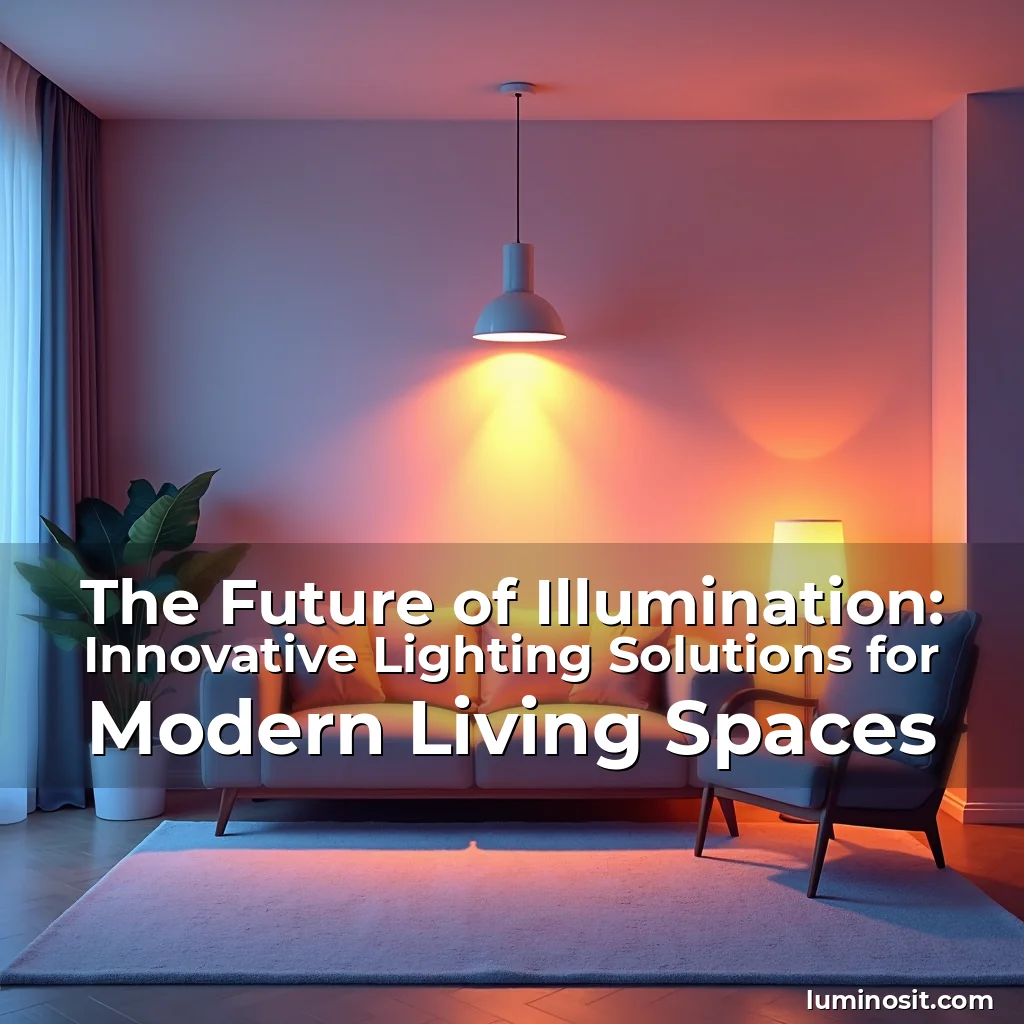
The Future of Illumination: Innovative Lighting Solutions for Modern Living Spaces
In an era where technology intertwines seamlessly with everyday life, the realm of illumination has transcended mere functionality to become a cornerstone of modern design and energy efficiency. Lighting solutions now encompass not only practicality but also aesthetic appeal, sustainability, and smart integration that enhances both residential and commercial environments.
From intelligent LED systems to eco-friendly designs, today’s lighting innovations are redefining how we interact with our spaces. These advancements offer tailored experiences that adapt dynamically to user preferences while contributing significantly to reducing environmental impact through optimized energy consumption.
Evolving Trends in Residential Lighting Design
Residential lighting is undergoing a transformation driven by personalization and technological sophistication. Homeowners increasingly seek lighting fixtures that reflect their style while providing versatile control over ambient conditions within living areas.
Smart home ecosystems have introduced voice-controlled dimmers and motion sensors which allow occupants to customize brightness levels according to time-of-day settings or occupancy patterns without manual adjustments. This level of automation ensures optimal comfort while conserving electricity usage effectively.
- Dimmable LEDs: These bulbs enable gradual transitions from bright daylight simulations to soft evening moods, creating adaptable atmospheres suitable for various activities ranging from reading to relaxation.
- Motion Activated Lights: Installed strategically near entrances or hallways, these devices activate upon detecting movement thereby enhancing security features and minimizing unnecessary power expenditure during periods of low activity.
Moreover, contemporary architectural trends emphasize natural light utilization through larger windows combined with reflective surfaces such as mirrors or glossy countertops. Such strategies reduce reliance on artificial sources during daytime hours thus lowering overall energy bills considerably.
Interior designers often recommend layered lighting approaches involving three distinct types – general overhead lights supplemented by task-specific lamps positioned at workstations or kitchen islands along with accent lighting used to highlight decorative elements like artwork collections or bookshelves.
This multi-tiered strategy allows individuals greater flexibility when adjusting room ambience depending on daily routines whether it’s preparing meals in well-lit surroundings or enjoying quiet evenings under softly glowing table lamps.
Sustainable Practices in Commercial Lighting Systems
Commercial establishments face mounting pressure to adopt environmentally responsible practices across all operational aspects including lighting infrastructure. Businesses are recognizing that transitioning towards sustainable alternatives yields long-term financial benefits alongside positive ecological contributions.
Energy-efficient technologies such as high-output LED panels coupled with advanced ballast controls provide substantial reductions in monthly utility expenses compared to traditional fluorescent tubes or incandescent options previously prevalent in office buildings and retail outlets alike.
Additionally, implementing daylight harvesting techniques involves utilizing automated shading mechanisms paired with photoelectric sensors capable of measuring outdoor light intensity. When sufficient sunlight enters interior spaces via skylights or curtain walls, these systems automatically adjust electric lighting output accordingly ensuring consistent illumination quality irrespective of external weather fluctuations.
Such adaptive methodologies not only conserve resources but also enhance occupant satisfaction by maintaining visually comfortable working environments conducive to productivity and concentration among employees or customers frequenting these venues regularly.
Case Study: Green Office Building Implementation
A notable example demonstrating successful implementation includes the LEED-certified headquarters constructed by a multinational corporation aiming to achieve carbon neutrality goals by 2030. Within this facility, every corridor featured sensor-based occupancy detectors linked directly to individual ceiling-mounted LED arrays allowing precise modulation based solely on presence detection rather than fixed timers.
Furthermore, biophilic design principles were integrated throughout common areas incorporating indoor plant displays illuminated using low-wattage grow lights specifically calibrated for photosynthesis processes yet still producing adequate visual clarity required for navigation purposes around communal zones.
Data collected over twelve months post-construction revealed approximately thirty percent reduction in annual electrical costs attributed primarily to reduced operation durations facilitated by intelligent sensing capabilities embedded within newly installed luminaires.
These outcomes underscored the importance of adopting holistic approaches combining cutting-edge hardware components with thoughtful spatial planning considerations aimed at maximizing resource conservation efforts simultaneously improving end-user experience metrics consistently measured against industry benchmarks established by green building certification bodies globally recognized standards organizations.
Advancements in Smart Lighting Technologies
Recent breakthroughs in Internet of Things (IoT) connectivity have propelled smart lighting beyond simple remote access functionalities toward fully immersive interactive experiences tailored precisely to individual lifestyles and behavioral patterns.
Modern smart switches equipped with built-in Wi-Fi modules facilitate real-time monitoring and adjustment possibilities right from mobile applications offering users granular control over color temperatures, brightness thresholds, scheduling protocols, and even scene presets programmatically triggered based on calendar events or location data retrieved through geofencing algorithms.
Integration with popular virtual assistants like Amazon Alexa or Google Assistant enables hands-free operations making it convenient particularly beneficial scenarios requiring immediate response actions such as emergency situations necessitating rapid activation of safety-oriented lighting configurations instantly accessible through vocal commands issued remotely regardless physical proximity status relative to controlled units.
Furthermore, predictive maintenance features embedded within certain premium models utilize machine learning analytics derived from historical performance logs enabling proactive identification potential failure points before actual breakdown occurs thereby significantly extending equipment lifespan duration reducing unplanned downtime incidents typically associated conventional non-connected counterparts lacking self-diagnostic capabilities.
Health Implications of Light Exposure and Circadian Rhythm Regulation
Rising awareness regarding human-centric lighting (HCL) underscores growing emphasis placed upon understanding biological effects stemming from prolonged exposure particular wavelengths electromagnetic spectrum affecting circadian rhythms governing sleep cycles hormonal balances neurotransmitter secretion rates amongst other physiological functions critical sustaining healthy living organisms.
Studies conducted within healthcare facilities demonstrated significant improvements patient recovery times correlated increased adoption tunable white light systems mimicking natural diurnal variations assisting regulate melatonin production levels aligning internal body clocks external chronological cues facilitating better restorative sleep phases essential recuperation processes following medical procedures treatments rehabilitation sessions etcetera.
Similarly educational institutions experimenting dynamic lighting schedules reported enhanced student engagement scores attributable synchronized classroom illuminance profiles matching cognitive alertness peaks troughs throughout academic day cycles promoting improved information retention capacities attention spans comprehension abilities resulting measurable gains standardized test results comparisons baseline measurements pre-intervention phases.
For residential applications, adjustable Kelvin temperature settings found within many current generation smart bulb offerings permit customization light hues corresponding desired mood states mental wellness objectives whether seeking energizing blue-rich spectrums stimulating creativity focus alternatively calming amber-infused tones aiding relaxation winding down prior bedtime routines.
Professional workplaces embracing HCL initiatives observed marked decreases absenteeism figures related fatigue-related illnesses chronic stress disorders psychological distress indicators suggesting direct correlation maintained appropriate photonic stimuli supporting employee morale motivation organizational productivity indices collectively reinforcing business case rationale investing future-ready lighting infrastructures prioritizing health equity considerations.
Cultural Considerations Influencing Lighting Preferences Across Global Regions
Variability exists concerning cultural expectations surrounding illumination aesthetics functionality dictated geographical locations socioeconomic backgrounds historical traditions religious beliefs artistic expressions shaping collective perceptions acceptable norms dictating what constitutes effective successful implementations varying contexts.
In Scandinavian countries renowned minimalist architecture emphasizes clean lines neutral palettes complemented cool-toned lighting schemes reflecting region’s affinity natural landscapes characterized muted earthy tones filtered through northern hemisphere skies experiencing extended twilight periods influencing preference subdued yet evenly distributed light distributions avoiding harsh shadows creating serene ambiance conducive contemplative activities creative pursuits.
Contrastingly Middle Eastern regions traditionally favor ornate chandeliers intricate metalwork detailing gold-plated finishes serving dual purposes providing necessary visibility augmenting grandeur visual spectacle synonymous hospitality values emphasized social gatherings celebratory occasions where dramatic contrasts between brightly lit central focal points dimly backlit peripheral areas generate theatrical effect heightening emotional resonance among participants engaged festivities.
Asian cultures especially East Asian societies demonstrate strong influence Confucian philosophy emphasizing harmony balance reflected balanced interplay warm cool light sources achieving equilibrium between yin yang energies fostering tranquil environments supportive meditation mindfulness exercises spiritual development pathways integral daily life routines.
Understanding these nuances becomes crucial designing universally applicable products services respecting regional sensitivities adapting localized market demands successfully expanding global reach without compromising core brand identity integrity remaining sensitive culturally diverse audiences acknowledging respect differences inherent multicultural world landscape continuously evolving demographic shifts reshaping consumer behaviors expectations new generations emerging digital natives navigating interconnected globalized society.
Economic Impact Analysis of Upgrading Lighting Infrastructure
Transitioning legacy lighting systems contemporary energy-saving alternatives entails initial capital outlay however long-term economic advantages frequently outweigh upfront expenditures due cumulative savings accrued operating expenses lifecycle cost calculations factoring replacement frequencies repair interventions routine maintenance requirements.
Government incentives subsidies available numerous jurisdictions further offset transition costs encouraging widespread adoption greener technologies aligning national climate change mitigation targets achieved through strategic policy frameworks establishing regulatory mandates promoting compliance industries sectors compelled upgrade outdated infrastructure meeting prescribed emissions reduction quotas set forth legislative directives.
For instance municipalities implementing municipal ordinances mandating minimum efficacy ratings specified lumens per watt thresholds compelling property owners retrofit existing installations compliant standards ensuring uniformity consistency public domain areas parks plazas thoroughfares benefiting citizens residents tourists alike enjoying uniformly maintained safe navigable urban environments regardless location visited.
Businesses conducting return-on-investment analyses typically report payback periods averaging two to five years depending scale project scope complexity involved upgrading process although some cases exceeding anticipated timelines influenced unforeseen complications arising unexpected technical challenges encountered during implementation stages requiring additional troubleshooting measures rectifying issues promptly restoring intended system performances aligned original specifications outlined blueprint documents.
Despite these variables careful planning execution leveraging expert consultation guidance instrumental ensuring seamless transitions minimal disruption ongoing operations preserving continuity service delivery maintaining stakeholder confidence investment trustworthiness enterprise reputation resilience amid transformative changes occurring rapidly advancing technological landscape demanding continuous adaptation innovation strategies employed enterprises striving competitive advantage marketplace dynamics.
Predictive Analytics in Optimizing Lighting Efficiency
Leveraging big data analytics provides unprecedented opportunities optimizing lighting efficiency through predictive modeling identifying consumption patterns forecasting demand fluctuations anticipating peak load periods proactively adjusting distribution networks mitigating risks supply chain disruptions ensuring uninterrupted service availability reliability across vast geographic territories served heterogeneous customer bases exhibiting disparate usage characteristics.
Machine learning algorithms trained extensive datasets comprising historical meter readings seasonal climatic variations occupancy trends revenue forecasts enable accurate projections energy needs forthcoming intervals allowing preemptive recalibration settings parameters fine-tuning outputs precisely match projected requirements preventing wasteful overillumination scenarios unnecessarily straining grid capacity exacerbating strain already stressed electrical grids grappling increasing renewable penetration levels fluctuating generation sources intermittency concerns associated intermittent solar wind resources.
Real-time telemetry systems integrated IoT-enabled streetlights traffic signals surveillance cameras relay live updates cloud platforms centralized dashboards empowering operators monitor performance metrics detect anomalies trigger alerts initiate corrective actions autonomously before degradation reaches critical thresholds jeopardizing service quality impacting community safety wellbeing infrastructure longevity.
By employing anomaly detection techniques powered AI-driven pattern recognition engines can distinguish normal deviations irregularities signaling impending failures prompting scheduled maintenance visits replacing aging components ahead time eliminating sudden outages inconveniencing populace disrupting critical operations reliant stable illumination sources fulfilling vital societal functions safeguarding public welfare paramount concern governance bodies tasked managing urban mobility security health education transportation logistics etcetera.
Moreover simulation tools assist engineers model different configuration alternatives testing hypotheses virtually before committing physical alterations reducing trial-and-error experimentation saving valuable resources time spent iterating suboptimal solutions ultimately converging optimal arrangements satisfying multifaceted constraints imposed regulatory guidelines budgetary limitations spatial restrictions functional prerequisites demanded complex multidisciplinary projects executed cross-functional teams collaborating interdisciplinary expertise domains engineering architecture IT cybersecurity sustainability management etcetera.
Future Directions in Adaptive Lighting Research
Ongoing research explores next-generation materials potentially revolutionize lighting sector including organic light-emitting diodes (OLEDs) capable emitting light entire surface rather discrete points addressing longstanding limitation traditional planar light sources restricted directional emission profiles limiting application versatility constrained geometries incompatible unconventional form factors demanding innovative mounting solutions.
Nanotechnology promises novel avenues developing ultra-thin flexible substrates housing miniature photovoltaic cells enabling self-sustained illumination units harnessing ambient light converting surplus energy storage mediums utilized later nighttime operations alleviating dependency centralized power supplies mitigating vulnerabilities blackouts cyberattacks terrorism threats destabilizing national infrastructure networks vital functioning civilization itself.
Quantum dot display technology presents exciting prospect generating pure monochromatic colors superior color accuracy contrast ratios surpassing current liquid crystal display (LCD) television monitors promising application specialized lighting fixtures requiring precise chromatic fidelity crucial photography cinematography museum curation archival preservation endeavors demanding exact replication original artworks artifacts without color distortion artifacts degradations.
Bioluminescence-inspired bioengineered organisms could eventually contribute sustainable alternative biodegradable light emitters cultivated controlled environments harvested responsibly replenished naturally closing loop circular economy principles eliminating toxic waste streams generated obsolete electronics discarded landfills polluting ecosystems threatening biodiversity marine life terrestrial habitats already burdened anthropogenic activities industrial agriculture deforestation mining extraction processes fueling climate crisis escalating severity witnessed recent decades.
As scientific exploration continues pushing boundaries knowledge acquisition expands horizon possibilities transforming once-futuristic visions tangible realities shaping tomorrow’s illuminated world harmoniously blending technological progress ecological stewardship humanistic values creating inclusive equitable environment where everyone enjoys safe secure comfortable lives enriched vibrant communities thriving together united purpose shared destiny.
Conclusion
The evolution of lighting solutions signifies a profound shift towards smarter, healthier, and more sustainable environments. From residential interiors to expansive commercial complexes, innovative technologies continue to redefine how we perceive and interact with light.
Embracing these advancements not only enhances aesthetic appeal and functional efficiency but also contributes positively to energy conservation efforts and broader environmental protection initiatives. By integrating thoughtful design choices with state-of-the-art solutions, individuals and businesses can create spaces that are both beautiful and beneficial for present and future generations.