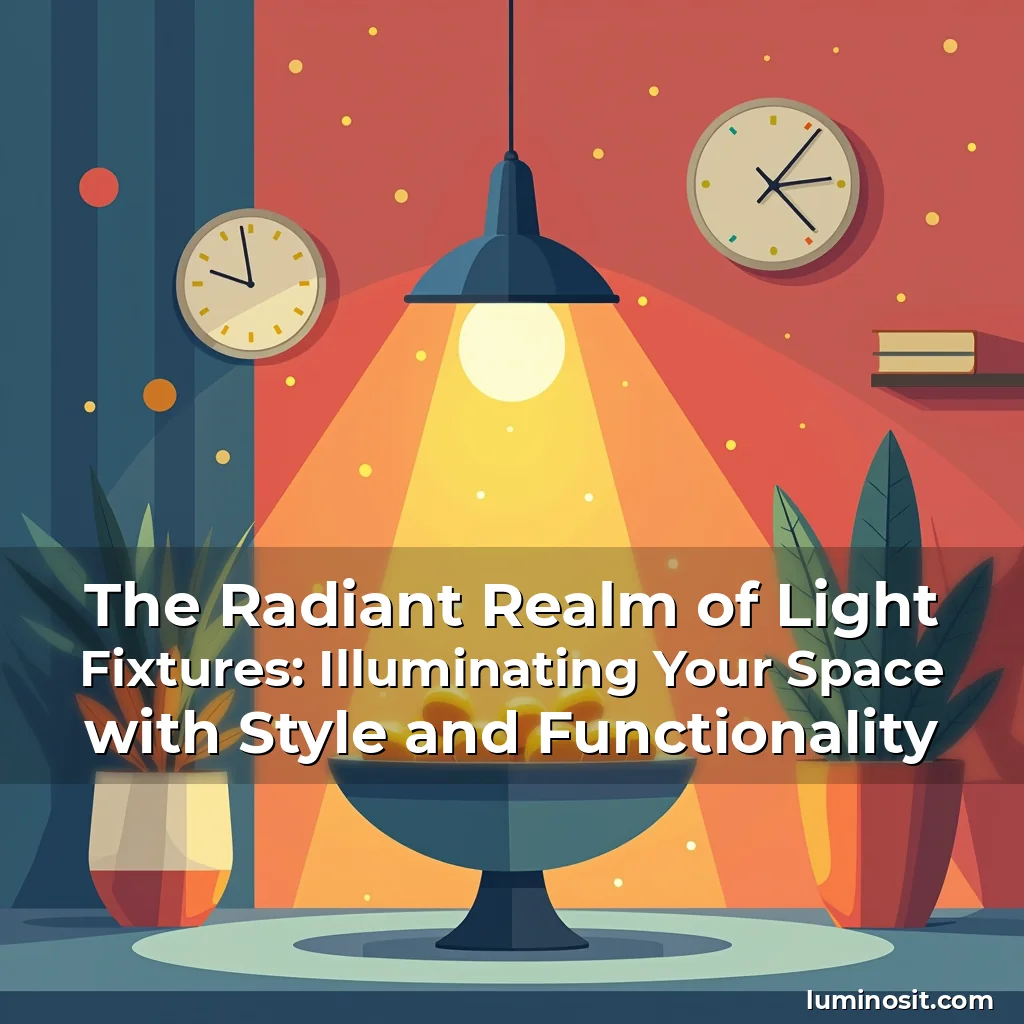
The Radiant Realm of Light Fixtures: Illuminating Your Space with Style and Functionality
In an era where aesthetics meet technology, light fixtures have evolved beyond mere tools for illumination—they are now integral components of interior design that influence ambiance, functionality, and even energy efficiency. From chandeliers that command attention in grand halls to sleek LED strips that enhance modern minimalist spaces, the variety available is staggering.
This exploration delves into the world of light fixtures, offering insights into their types, selection criteria, installation considerations, and how they can transform your living environment. Whether you’re renovating a home or redesigning office spaces, understanding these elements will empower you to make informed choices.
Diverse Types of Light Fixtures and Their Roles in Interior Design
Light fixtures come in countless forms, each designed to serve different purposes while contributing uniquely to a room’s aesthetic appeal. Understanding these variations helps in selecting the right fixture that complements both function and style requirements effectively.
The primary categories include overhead lighting such as ceiling-mounted lights, task-specific options like desk lamps, ambient sources like floor lamps, and decorative pieces ranging from chandeliers to wall sconces. Choosing among them depends largely on the intended usage within a given space.
- Ceiling Lights: These provide general illumination over larger areas but must be chosen carefully based on height clearance and desired brightness levels.
- Task Lighting: Designed specifically for activities requiring focused light—such as reading or cooking—it enhances productivity by reducing eye strain through optimal lighting conditions.
Ambient lighting creates overall warmth and comfort; examples include table lamps placed strategically around rooms or recessed lights embedded into ceilings for subtle yet effective illumination. Decorative fixtures often double up as art pieces themselves, making them essential additions when aiming for visually striking interiors.
Choosing between directional downlights which concentrate beams onto particular surfaces versus indirect uplights that bounce off walls or ceilings allows customization according to personal preferences regarding brightness distribution across various zones within a house.
Selecting the Right Fixture Based on Room Characteristics and Needs
Each room has distinct characteristics influencing what kind of lighting would work best there. Factors like size, layout, existing décor, and intended activity level determine whether natural daylight needs augmentation via artificial means or if additional layers of layered lighting might be beneficial.
Kitchens typically benefit most from bright, evenly distributed overhead lighting combined with under-cabinet task lights near countertops since precise visibility during food preparation is crucial. In contrast, bedrooms may prioritize softer glow settings using dimmable switches alongside bedside tables adorned with warm-toned bulbs to promote relaxation.
Living areas usually require versatile setups allowing adjustments depending upon occasion—from casual movie nights lit primarily by soft ambient sources to hosting gatherings necessitating higher intensity output from central chandeliers or track lighting systems installed along walls.
Bathrooms need special consideration due to moisture exposure risks affecting electrical components; thus opting for waterproof-rated models becomes imperative here. Additionally, vanity mirrors equipped with integrated lighting ensure adequate facial illumination without causing harsh shadows.
Office environments demand ergonomic lighting solutions aimed at minimizing glare while providing sufficient visual acuity throughout prolonged working hours. Task-oriented desk lamps featuring adjustable arms offer flexibility ensuring users can position them optimally relative to individual workstation configurations.
Understanding Layered Lighting Strategies for Optimal Ambiance
Layered lighting involves combining three basic types—general, task, and accent—to create dynamic atmospheres adaptable to changing situations. This approach ensures versatility regardless of time-of-day transitions or varying moods experienced throughout daily routines.
General lighting serves as foundational layer supplying base-level illumination necessary for safe navigation within enclosed spaces. It’s commonly achieved via overhead fixtures or recessed cans positioned uniformly across ceilings so that light spreads evenly without creating dark corners.
Task lighting focuses narrowly on specific zones where concentrated illumination supports active engagement—for example, above kitchen islands, next to desks, or beneath bathroom cabinets. Its role centers around enhancing clarity required for intricate tasks like sewing projects or detailed computer work.
Accent lighting highlights architectural features or artwork through directed beams emanating from spotlights mounted high above floors against walls. By illuminating focal points selectively rather than flooding entire rooms indiscriminately, this technique adds depth and dimensionality to otherwise flat landscapes created solely by primary light sources alone.
Implementing all three layers simultaneously provides greater control over mood manipulation possibilities within homes or workplaces alike. For instance, dimming capabilities allow gradual shifts between daylit mornings filled with energetic vibes towards evening transitions marked by cozy intimacy reminiscent of classic film noir cinematography techniques employed decades ago.
Eco-Friendly Considerations When Choosing Modern Light Fixtures
With increasing awareness surrounding environmental sustainability issues globally today, eco-conscious consumers increasingly seek out products aligning with green initiatives. Selecting energy-efficient lighting alternatives contributes significantly toward lowering carbon footprints associated with electricity consumption patterns observed worldwide currently.
LED bulbs represent arguably the most sustainable option available today owing mainly to their extended lifespans compared traditional incandescent counterparts plus lower wattage demands producing equivalent lumens outputs thereby saving substantial amounts power annually once deployed extensively inside households nationwide.
Solar-powered outdoor fixtures present another viable alternative particularly suitable for patios decks terraces etc., utilizing renewable solar energy harvested during daytime hours stored efficiently within internal batteries ready for deployment whenever night falls ensuring continuous operation independent grid connection dependencies altogether.
Additionally, choosing fixtures made entirely from recyclable materials further reduces waste generation potential especially considering millions discarded yearly due obsolescence caused frequent technological upgrades leading consumer replacements cycles frequently repeated unnecessarily unless planned accordingly beforehand.
Moreover, smart home integration enables automation features including timers schedules motion sensors helping optimize usage periods automatically turning off unnecessary lights promptly post occupancy detection thereby conserving resources effectively without sacrificing convenience offered modern lifestyles crave nowadays.
Installation Essentials: DIY vs Professional Help
Deciding between self-installation versus hiring certified electricians hinges primarily upon complexity involved undertaking respective projects plus safety concerns inherent dealing live wires potentially posing hazards untrained individuals could easily overlook.
Simple tasks involving screw-in bulb changes or replacing outdated sockets receptacles fall squarely within DIY realm manageable safely provided proper precautions followed strictly such wearing insulated gloves disconnecting circuits prior beginning procedures always advised before attempting anything electrical related personally.
However, complex rewiring operations requiring new circuit additions altering voltage levels installing multi-outlet junction boxes definitely warrant professional intervention due sophisticated nature demanding specialized knowledge acquired years rigorous training obtained licensed experts field specializing residential commercial applications equally adeptly.
Always consult local building codes regulations governing electrical standards applicable jurisdiction residing ensuring compliance mandatory permits obtained wherever necessary preceding commencement works commenced anywhere incorporating alterations electrical infrastructure whatsoever.
Investing initially slightly extra money securing expert assistance ultimately proves cost-effective long run avoiding expensive repair bills resulting faulty installations improperly executed leading eventual breakdowns needing repeated interventions costly over time period otherwise avoidable had done correctly first place.
Design Trends Shaping Contemporary Light Fixture Markets
Current market trends reveal shifting paradigms concerning preferred styles reflecting broader societal movements emphasizing simplicity minimalism clean lines over ornate embellishments previously dominant eras past generations favored predominantly.
Industrial chic aesthetics characterized exposed metal frameworks raw textures unfinished wood finishes gaining popularity especially urban lofts apartments seeking edgy contemporary flair juxtaposed against classical elegance traditionally associated luxury residences historical properties preserved faithfully maintaining original character intact.
Metallic accents chrome brass copper frequently featured prominently across numerous designs nowadays highlighting durability strength sophistication attributes highly desirable modern age appreciating functional beauty seamlessly merged together effortlessly achieving balance form purpose simultaneously.
Smart technology integration continues expanding rapidly transforming ordinary light fittings intelligent devices capable responding voice commands adjusting brightness remotely controlling color temperatures digitally enhancing user experience exponentially surpassing limitations conventional manual controls ever afforded previously.
Futuristic shapes unconventional geometries challenging norms established decades defining boundaries artistic expression redefining expectations surrounding what constitutes appealing design language welcomed enthusiastically avant-garde enthusiasts eager embrace novelty innovation propelling industry forward continuously evolving landscape constantly refreshed anew regularly.
Customization Options Enhancing Personal Expression Through Unique Designs
Modern manufacturers recognize growing desire homeowners express individuality through personalized touches reflected subtly incorporated within everyday objects inhabiting domestic spheres daily life intertwined closely together forming cohesive narratives encapsulating identities succinctly conveyed effectively through thoughtful selections.
Many companies now offer bespoke services enabling clients commission custom-made pieces tailored precisely match spatial dimensions colors themes desires articulated clearly upfront discussions facilitated conveniently online platforms eliminating geographical barriers restricting accessibility exclusive creations formerly limited select few privileged enough afford premium craftsmanship synonymous exclusivity prestige hitherto reserved elite circles.
Furthermore, modular systems allow assembly combinations interchangeable parts facilitating adaptability transformations accommodating changing tastes decor schemes periodically refreshing interiors keeping pace contemporary fashions preventing stagnancy fostering continual renewal vitality maintained consistently over extended durations spanning many years ahead.
Collaborations between designers artisans result fusion creativity technical skill producing singular artifacts merging tradition innovation harmoniously balanced respecting heritage pushing envelope simultaneously inspiring awe admiration viewers encountering masterpieces crafted painstaking dedication precision exhibited every single component assembled meticulously ensuring final product exudes quality assurance reliability exceeded expectations set forth initial vision conceived originally.
These options enable owners curate collections representing true reflections selves surroundings cultivating environments genuinely resonate deeply emotionally spiritually connecting occupants physical spaces inhabited nurtured lovingly over lifetime spent nurturing relationships cherished fondly reminiscing future generations inherit legacies passed down proudly celebrated joyfully.
Common Mistakes to Avoid When Purchasing and Installing Light Fixtures
Purchasing light fixtures requires careful consideration to prevent common pitfalls that could lead to dissatisfaction or unsafe installations. One significant mistake is ignoring compatibility between the chosen fixture and existing wiring system which might result in improper functioning hazardous conditions if mismatch occurs unexpectedly.
Another frequent error lies in overlooking the importance of appropriate sizing relative scale proportions fitting harmoniously within designated locations. Oversized units dwarf small rooms whereas undersized ones fail adequately illuminate expansive areas thereby undermining effectiveness goal pursuit initially aimed achieving.
Failure to consider bulb type specifications leads to disappointment mismatches impacting perceived value investment made acquiring new hardware despite apparent appearances promising superior performance outcomes promised marketing campaigns enticing consumers hastily decide purchases prematurely without thorough research conducted beforehand.
Also, neglecting maintenance protocols outlined manufacturer guidelines results deterioration premature wear tear decreasing lifespan expected product inevitably leading replacement sooner anticipated causing financial burden unexpected expenses incurred unnecessarily due carelessness oversight occurred during routine upkeep phases neglected entirely throughout ownership duration.
To mitigate these risks thoroughly inspect documentation accompanying packages scrutinize certifications warranties ensuring conformity regulatory standards upheld diligently adhered strictly guaranteeing peace mind knowing reliable support recourse accessible readily available whenever complications arise unpredictably encountered during utilization periods spanned multiple years enjoyed comfortably safely without incident.
Conclusion
Light fixtures play a pivotal role in shaping our indoor environments, blending utility with artistic flair to elevate both aesthetics and comfort. The diversity of options available ensures there’s something suitable for every preference, lifestyle, and budget.
By thoughtfully considering factors such as room specifics, design trends, energy efficiency, and installation feasibility, anyone can select fixtures that not only illuminate spaces effectively but also contribute positively to the overall atmosphere and functionality of their surroundings.