
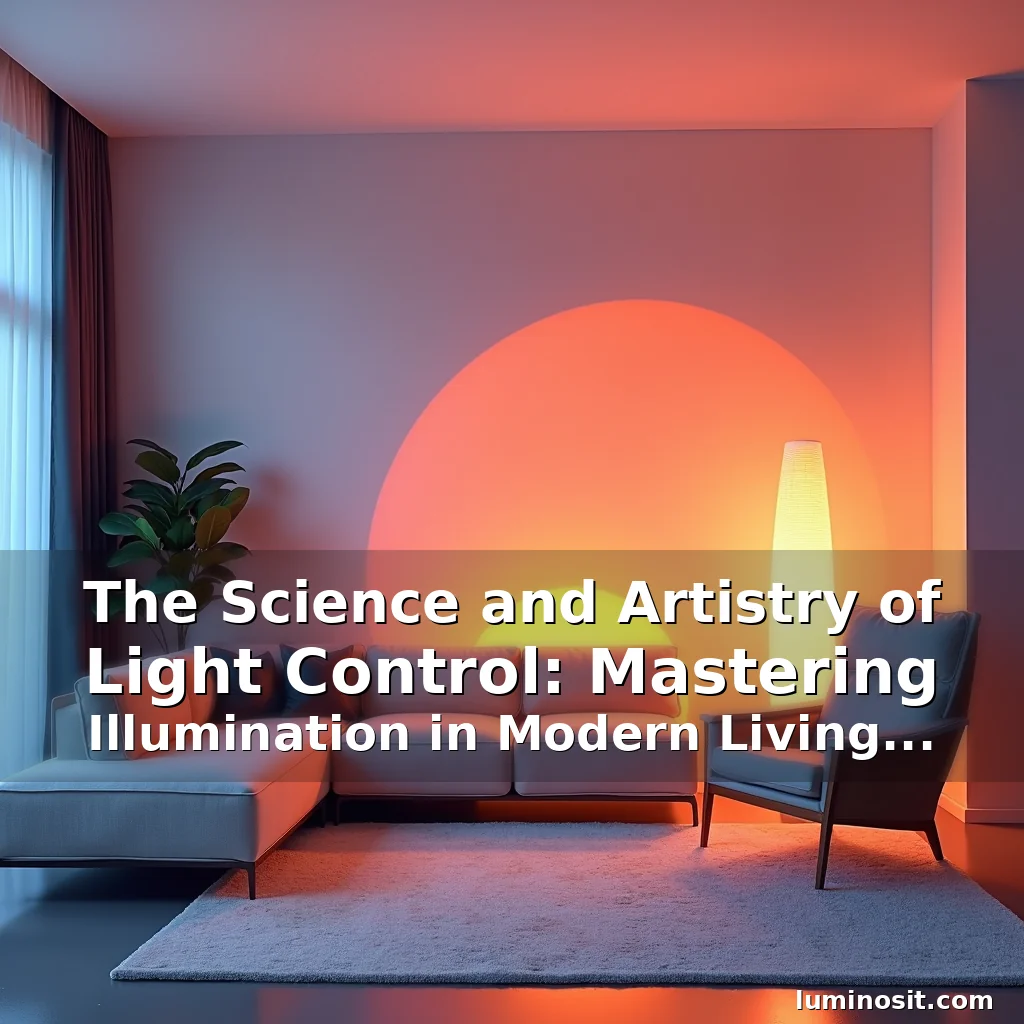
The Science and Artistry of Light Control: Mastering Illumination in Modern Living Spaces
In an era where lighting has evolved from mere functionality to an essential design element, mastering light control is becoming increasingly vital. From smart homes to professional environments, precise manipulation of illumination can transform spaces, enhance aesthetics, and even impact health and productivity.
This exploration delves into the intricate world of light control, uncovering its technological foundations, practical applications, and artistic possibilities that redefine how we interact with our surroundings through light.
The Fundamentals of Light Control Technology
At the heart of modern light control lies a blend of physics, engineering, and digital innovation. Understanding these fundamentals allows us to appreciate how different systems manipulate natural and artificial light sources effectively.
Luminous intensity, measured in candelas, determines brightness perception while color temperature, expressed in Kelvin, influences mood and ambiance. These metrics form the basis of any effective lighting strategy.
Dimming technology represents one of the most transformative advancements in light control. By adjusting electrical current flow, dimmers enable seamless transitions between bright task lighting and soft ambient settings without compromising energy efficiency.
Smart home integration has revolutionized traditional light control methods. Voice-activated assistants, mobile apps, and automated sensors allow users to create personalized lighting scenarios that adapt dynamically to their needs.
- Dimmable LED Bulbs: Offering up to 90% energy savings compared to incandescent bulbs while maintaining consistent quality across various brightness levels
- Sensor-Based Systems: Automatically adjust light output based on occupancy detection or daylight availability, reducing unnecessary consumption by as much as 40%
Architectural Applications of Advanced Lighting Controls
Light control extends beyond residential spaces into commercial architecture, where strategic illumination can significantly influence user experience and operational efficiency.
In office buildings, dynamic lighting systems respond to circadian rhythms by gradually shifting color temperatures throughout the day. This approach enhances alertness during work hours while promoting relaxation in evening settings.
Hospitality sectors benefit immensely from scene-based lighting configurations. Hotels use programmable systems to create distinct atmospheres in lobbies, dining areas, and guest rooms tailored to specific times of day or events.
Retail environments employ targeted lighting strategies to highlight products and guide customer movement. Studies show that well-designed lighting schemes can increase sales conversions by up to 35% when properly implemented.
Data-Driven Insights in Commercial Settings
A recent study analyzing over 1,500 corporate offices found that facilities implementing advanced light control systems experienced a 28% reduction in energy costs within the first year of installation.
Furthermore, employee satisfaction surveys revealed a 62% improvement in perceived comfort levels among workers in spaces with adaptive lighting solutions compared to those with static overhead lighting.
Creative Expressions Through Customizable Lighting
Beyond technical specifications, light control opens avenues for creative expression that can elevate interior designs dramatically.
Color-changing LED strips offer endless possibilities for personalization. With RGB controllers, homeowners can cycle through thousands of hues to match seasonal themes, holidays, or individual moods effortlessly.
Accent lighting techniques involve strategically placing directional lights to emphasize architectural features, artwork collections, or textural elements within a space’s composition.
Dynamic lighting installations combine motion sensors with programmable sequences to create interactive experiences. Museums often utilize such systems to engage visitors through responsive exhibits that change with proximity or movement.
Health Implications of Intelligent Light Management
Emerging research highlights the profound effects of controlled lighting environments on human health and well-being. Properly managed illumination patterns can regulate sleep cycles, alleviate stress, and boost overall vitality.
Exposure to blue-enriched white light during daytime hours helps maintain healthy circadian rhythms by suppressing melatonin production at appropriate times. Conversely, warmer tones before bedtime promote restful sleep by encouraging melatonin release.
Studies conducted in healthcare institutions demonstrate that patients recovering in rooms with controllable lighting report faster healing rates and improved mood stability compared to standard ward conditions.
Workplace wellness programs are increasingly incorporating tunable lighting systems that mimic natural daylight progression. Such implementations have been linked to reduced absenteeism and increased job satisfaction scores across multiple industries.
Eco-Friendly Approaches to Sustainable Lighting
As environmental consciousness grows, sustainable practices in light control gain significant importance. Energy-efficient technologies not only reduce utility bills but also contribute positively to planetary conservation efforts.
Daylight harvesting systems integrate photosensors with electric lighting controls to maximize natural illumination while minimizing reliance on artificial sources. Buildings equipped with these systems typically achieve 25-40% energy savings annually.
LED retrofitting projects replace outdated fixtures with high-efficiency alternatives that consume less power while providing superior optical performance. The average lifespan of LEDs exceeds 25,000 operating hours—over tenfold longer than conventional bulbs.
Recycling initiatives for old lighting equipment help divert electronic waste from landfills. Many manufacturers now offer take-back programs ensuring responsible disposal of obsolete components containing hazardous materials.
Future Innovations Shaping Tomorrow’s Lighting Landscape
The evolution of light control continues with groundbreaking developments poised to reshape future living and working environments fundamentally.
Advancements in biophilic design principles merge natural elements with intelligent lighting solutions, creating healthier indoor ecosystems that mirror outdoor environments more closely.
Neuroadaptive lighting systems analyze physiological responses using wearable devices to automatically adjust illuminance levels and chromaticity according to individual needs and preferences.
Quantum dot display technology promises unprecedented color accuracy and efficiency gains for both residential and commercial applications, offering new dimensions in visual clarity and energy performance.
Integration with AI-driven predictive analytics enables lighting systems to anticipate user behavior patterns and optimize illumination accordingly, enhancing convenience while maximizing resource efficiency.
Practical Implementation Strategies for Various Environments
Successfully integrating light control requires careful consideration of spatial requirements, occupant behaviors, and long-term sustainability goals. A structured implementation process ensures optimal results across diverse contexts.
For residential applications, starting with a comprehensive assessment of existing lighting infrastructure provides crucial baseline data. Identifying key zones for customization informs decisions regarding fixture placement and system capabilities.
Commercial establishments benefit from phased implementation approaches that prioritize high-traffic areas initially before expanding coverage progressively. Pilot programs allow for iterative improvements based on real-world feedback.
Public sector projects require adherence to regulatory standards alongside community engagement initiatives. Involving stakeholders early fosters acceptance and ensures alignment with collective expectations.
Cost-Benefit Analysis of Advanced Lighting Solutions
Evaluating the financial implications of investing in sophisticated light control systems involves considering upfront expenditures versus long-term savings potential.
While initial outlays may seem substantial, lifecycle cost analyses frequently reveal competitive returns on investment. Reduced electricity usage combined with extended component lifespans offsets initial capital investments rapidly.
Government incentives and rebates further enhance economic viability. Many jurisdictions provide tax credits or subsidies for adopting energy-efficient lighting technologies, making upgrades more financially attractive.
Enhanced property values represent another intangible yet measurable benefit. Well-lit interiors featuring intelligent control systems often command premium rental prices or higher resale values in real estate markets.
Conclusion
Mastery of light control encompasses scientific precision, aesthetic sensitivity, and forward-thinking sustainability considerations. As demonstrated throughout this discussion, thoughtful application of illumination management yields benefits spanning comfort, efficiency, and creativity.
To begin your journey toward optimized lighting experiences, consider conducting a thorough evaluation of your current environment followed by gradual adoption of suitable technologies aligned with your specific objectives and constraints.