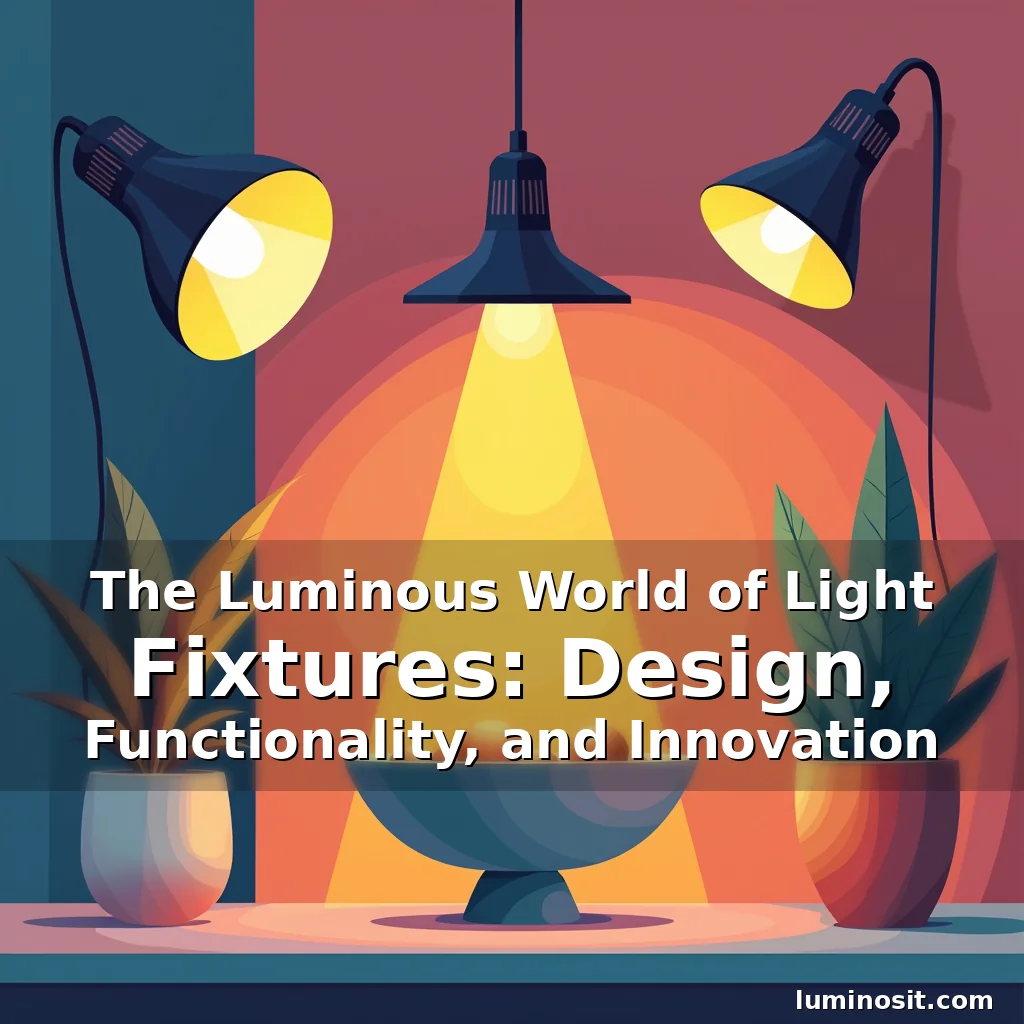
The Luminous World of Light Fixtures: Design, Functionality, and Innovation
In every home and building, light fixtures are not merely functional necessities but essential elements that shape ambiance, aesthetics, and even psychological well-being. From the soft glow of pendant lights in a modern kitchen to the dramatic chandeliers gracing grand entryways, these installations serve dual purposes—illuminating spaces while making bold design statements.
This exploration delves beyond basic illumination to uncover how light fixtures influence architecture, interior design trends, and technological advancements. Whether you’re renovating your living space or simply curious about lighting solutions, understanding the intricacies of light fixture choices can transform ordinary environments into extraordinary experiences.
Evolving Aesthetics in Contemporary Lighting Designs
Lighting has evolved from purely utilitarian devices to sophisticated art forms that reflect personal taste and cultural influences. Modern designs often blend minimalist principles with innovative materials such as glass, metal alloys, and even recycled components, offering both visual appeal and environmental consciousness.
A growing trend is biophilic lighting, which mimics natural daylight patterns to enhance mood and productivity. These systems use advanced sensors and timers to adjust brightness levels throughout the day, creating an environment closer to nature’s rhythms.
- Mixed Media Fusion: Combining traditional craftsmanship with digital fabrication techniques allows designers to create intricate patterns previously unachievable by hand.
- Modular Components: Many contemporary fixtures feature interchangeable parts enabling users to customize their look without replacing entire units—a sustainable approach gaining popularity among eco-conscious consumers.
Fundamentals of Light Fixture Types and Their Applications
Selecting the right type of light fixture depends largely on its intended purpose within any given space. For instance, recessed ceiling lights provide uniform illumination perfect for reading areas whereas track lighting offers directional flexibility ideal for highlighting artwork collections.
Different rooms demand distinct lighting strategies; kitchens require bright task lighting over countertops while bathrooms benefit from moisture-resistant options near sinks and showers. Understanding these nuances ensures optimal functionality across various architectural settings.
Common Categories of Light Fixtures
There exist numerous classifications based primarily upon installation method and primary function. Ceiling-mounted fixtures include downlights, flush mounts, and semi-flush models each suited differently depending on room height ceilings and desired effect.
Wall sconces add ambient light along corridors or beside beds adding warmth without overpowering other sources. Floor lamps offer portable yet impactful illumination suitable for living rooms where additional lighting might be needed during evening hours.
Technological Advancements Revolutionizing Lighting Solutions
Led technology has dramatically transformed energy efficiency standards globally reducing electricity consumption significantly compared to incandescent bulbs alone. Smart lighting systems now integrate seamlessly with home automation platforms allowing remote control via smartphones or voice assistants.
Advances in color temperature adjustment enable personalized lighting schemes adaptable according to activity needs—from cool whites enhancing concentration at workstations to warm hues promoting relaxation before bedtime.
- Energy Efficiency Standards: The shift towards LED-based products aligns perfectly with global sustainability goals aiming toward net-zero emissions targets set forth internationally.
- IoT Integration Capabilities: Internet-connected bulbs support real-time monitoring capabilities including detecting bulb failures automatically through connected apps ensuring continuous operation without interruption.
Design Considerations When Choosing Light Fixtures
Harmonizing light fixtures with existing decor requires careful consideration regarding style compatibility. Traditional homes may prefer ornate crystal chandeliers whereas modern interiors favor sleek linear profiles made from brushed metals or frosted glass finishes.
Scale plays another crucial role when selecting appropriate sizes relative to room dimensions. Oversized fixtures can overwhelm small spaces while undersized ones fail to make adequate impact in larger venues requiring substantial illumination coverage.
Color Temperature Matching Interior Themes
Choosing between warm (around 2700K) versus cooler tones (approximately 5000K) affects perceived size and atmosphere inside enclosed areas. Warm lighting tends to create cozy feelings conducive towards bedrooms and dining zones.
Cooler temperatures suit office environments or kitchens where clarity and alertness are prioritized above comfort factors typically associated with warmer spectrums.
Installation Best Practices and Safety Guidelines
Proper installation remains vital regardless of whether opting for DIY approaches or professional services. Always verify electrical specifications match local codes requirements particularly concerning voltage ratings applicable specifically within residential contexts.
For those attempting self-installation projects ensure complete power disconnection prior beginning work always using insulated tools designed explicitly for electrical tasks minimizing risk exposure substantially during procedures involved.
- Wiring Essentials: Familiarize yourself thoroughly beforehand regarding neutral wire usage since many new smart switches necessitate direct connection access points rather than standard setups historically employed traditionally.
- Mounting Techniques: Secure mounting brackets properly especially important considerations whenever installing heavier pendants which could potentially cause structural damage otherwise neglected overlooked aspects leading future complications later stages.
Sustainable Choices Promoting Eco-Friendly Living Through Lighting Decisions
Opting for energy-efficient alternatives contributes positively towards decreasing carbon footprint footprints simultaneously lowering utility bills considerably over time periods measured annually rather than monthly expenses usually encountered initially.
Recycled material utilization becomes increasingly prevalent amongst manufacturers striving meet green certification benchmarks thereby encouraging broader adoption rates industry wide facilitating long term ecological benefits achievable collectively achieved progressively.
Long-Term Cost Savings Analysis
Although initial investment costs sometimes higher upfront compared conventional counterparts potential savings accumulated years ahead justify increased outlay expenses incurred early phases implementation cycles.
Calculating return-on-investment figures involves factoring average lifespan durations alongside operating efficiencies realized consistently maintained performance levels expected reliably predictable manner throughout extended lifetimes anticipated product warranties provided manufacturers.
Cultural Influences Shaping Global Lighting Trends
Historical motifs continue influencing current practices seen reflected clearly evident today’s market offerings showcasing revival interest traditional Japanese paper lantern styles reinterpreted contemporary frameworks embracing minimalism ideals popular western societies simultaneously respecting origins cultures celebrated worldwide.
Similarly Scandinavian countries emphasize simplicity transparency using natural wood elements combined simple geometric shapes resulting elegant understated beauty appealing diverse audiences appreciating clean lines crisp angles characteristic northern European aesthetic sensibilities.
- Cross-Cultural Adaptability: Successful fusion occurs when respecting original intent while adapting form functions cater varying climatic conditions geographical locations ensuring universal applicability irrespective regional differences faced everyday life situations experienced universally shared human experience.
- Heritage Preservation Efforts: Restoration projects frequently incorporate period-appropriate replicas preserving historical integrity without compromising safety standards demanded modern regulations governing public buildings museums galleries hosting artifacts significant cultural value preserved protected generations ahead.
Future Innovations Anticipated Within Lighting Industry Landscape
Ongoing research explores possibilities integrating photovoltaic cells directly within luminaire structures harvesting sunlight converting usable electric energy stored batteries powering operations nighttime effectively eliminating dependence external grid connections altogether entirely autonomous systems envisioned becoming reality soon.
Additionally developments underway aim improving durability characteristics prolonging service lives reducing frequency replacements required thus contributing further reductions waste generated manufacturing disposal processes integral lifecycle management strategies pursued environmentally responsible companies committed sustainability missions.
- Bio-Inspired Technologies: Scientists studying organisms’ natural abilities efficiently utilizing available resources apply findings developing next generation lighting technologies inspired biological mechanisms observed nature’s most efficient examples exemplified through photosynthesis process occurring plants capable absorbing sunlight transforming chemical energy fuel growth development.
- Nanotechnology Applications: Researchers investigate nanoscale modifications surfaces increasing light diffusion properties enhancing visibility without excessive glare maintaining comfortable viewing conditions prolonged exposure times beneficial healthcare facilities educational institutions requiring high precision visual acuity critical operational success.
Conclusion
From ancient oil lamps to cutting-edge smart lighting ecosystems, the evolution of light fixtures mirrors our journey toward greater innovation and understanding of illumination’s profound impacts on daily existence.
By thoughtfully considering design elements, technological features, and sustainability aspects, individuals can select fixtures that elevate their surroundings while supporting a healthier planet and more fulfilling lifestyle experiences enriched through mindful choices informed knowledge appreciation transformative power proper lighting solutions.